
Introduction
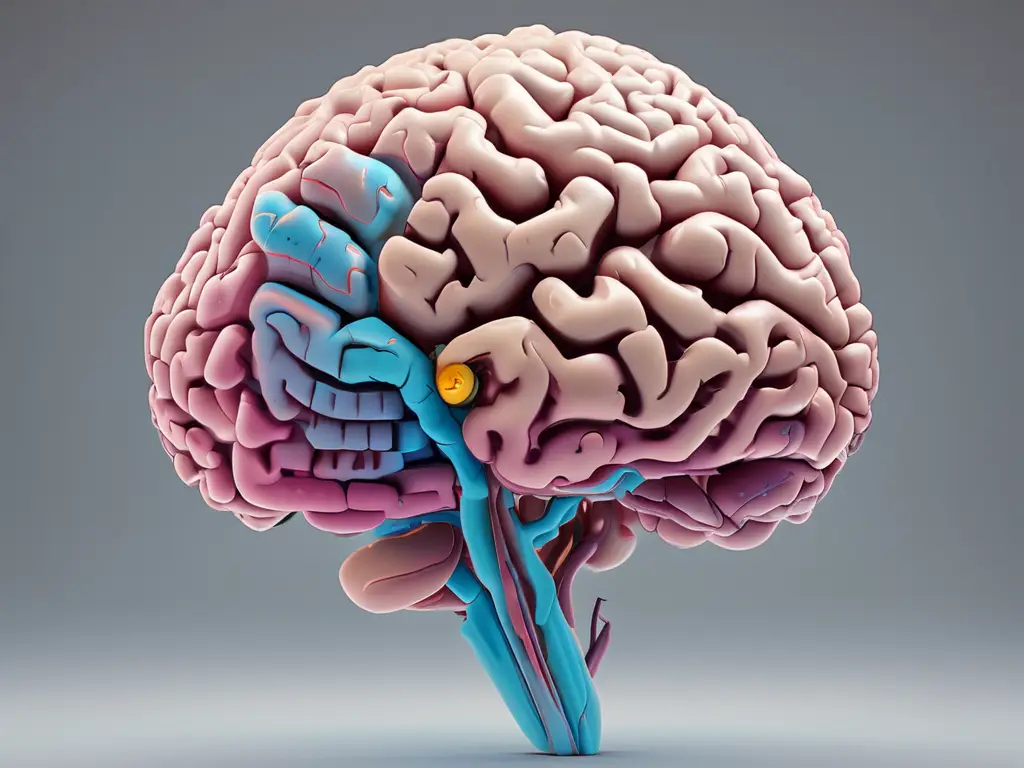
Frontotemporal Dementia (FTD) is a group of brain disorders that primarily affect the frontal and temporal lobes of the brain. These areas of the brain are associated with personality, behavior, and language. FTD is a type of dementia that can be misdiagnosed as a psychiatric problem or Alzheimer’s disease, however, it tends to occur at a younger age and is the cause of approximately 10-20% of dementia cases.
Symptoms:
The symptoms of FTD can vary greatly from one individual to another and can be grouped into three main categories: behavioral changes, speech and language problems, and motor disorders. Behavioral changes can include inappropriate social behavior, loss of empathy, and apathy, while speech and language problems can include difficulty in using and understanding language, trouble naming things, and hesitant speech. The rarest form of FTD is characterized by motor problems such as tremors, rigidity, and muscle weakness.
Causes:
The cause of FTD is unknown, but it is believed to be linked to the shrinkage of the frontal and temporal lobes of the brain, as well as the accumulation of certain substances in the brain. There are genetic mutations that have been linked to FTD, but more than half of the people who develop FTD have no family history of dementia. Recent research has confirmed shared genetics and molecular pathways between FTD and Amyotrophic Lateral Sclerosis (ALS), but more research needs to be done to understand the connection.
Risk Factors:
The only known risk factor for FTD is a family history of dementia. There are no other known risk factors.
Conclusion:
FTD is a type of dementia that can be difficult to diagnose due to its varying symptoms and its tendency to be misdiagnosed as a psychiatric problem or Alzheimer’s disease. However, understanding the symptoms, causes, and risk factors of FTD can help individuals get the proper diagnosis and treatment they need. If you or a loved one is experiencing symptoms of FTD, it is important to seek medical advice from a healthcare professional.
Source: https://www.mayoclinic.org/diseases-conditions/frontotemporal-dementia/symptoms-causes/syc-20354737
Leave a Reply