
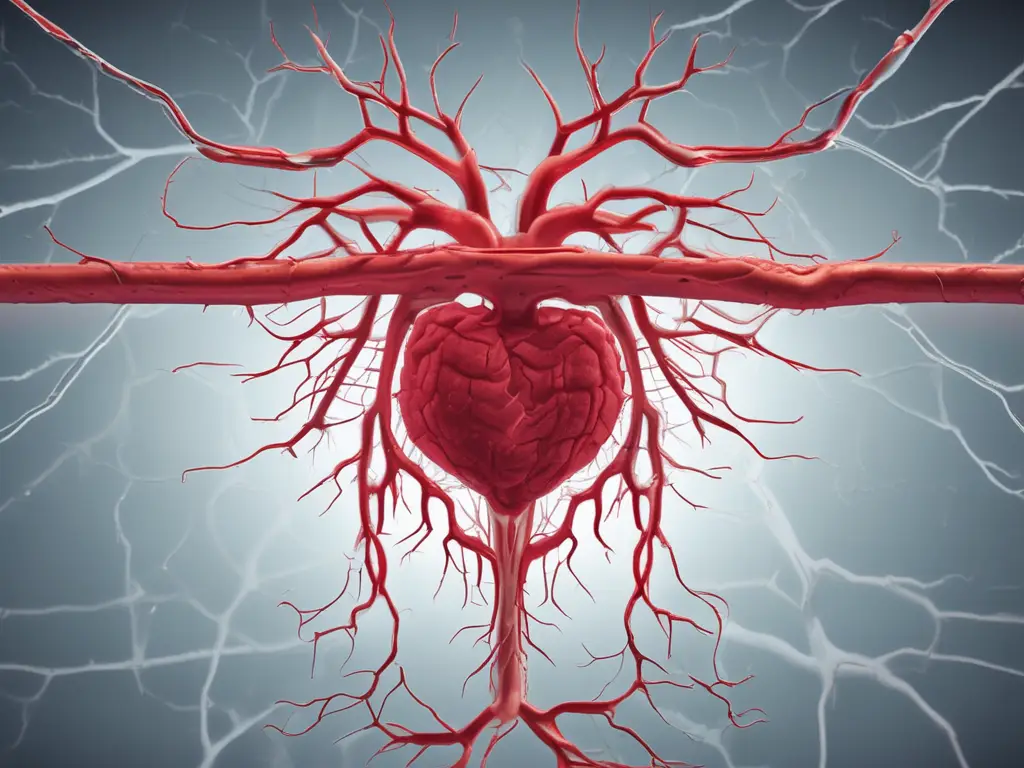
Vascular dementia is a type of dementia that results from conditions that block or reduce blood flow to the brain, leading to a decline in thinking skills. The brain relies on a constant supply of oxygen and nutrients from the blood, and inadequate blood flow can damage and kill brain cells, leading to cognitive impairment.
Causes and Risks:
Vascular dementia can be caused by any condition that damages blood vessels, including advancing age, which is a major risk factor. Other risk factors include smoking, high blood pressure, high cholesterol, high blood sugar, and a sedentary lifestyle. To reduce the risk of developing conditions that affect the heart and blood vessels, it’s important to maintain a healthy lifestyle, including not smoking, eating a balanced diet, exercising regularly, maintaining a healthy weight, and limiting alcohol consumption.
Symptoms:
The impact of vascular conditions on thinking skills varies widely, depending on the severity of the blood vessel damage and the part of the brain it affects. Memory loss may or may not be a significant symptom, and symptoms may be most obvious after a major stroke, such as confusion, disorientation, trouble speaking or understanding speech, and physical stroke symptoms such as sudden headaches, difficulty walking, poor balance, and numbness or paralysis on one side of the face or body. Multiple small strokes or other conditions that affect blood vessels can cause more gradual thinking changes, such as impaired planning and judgment, uncontrolled laughing and crying, declining ability to pay attention, impaired function in social situations, and difficulty finding the right words.
Diagnosis:
Diagnosing vascular dementia can be challenging, and many experts recommend professional cognitive screening for high-risk groups, including those who have had a stroke or a transient ischemic attack (TIA) or who have risk factors for heart or blood vessel disease. Neurocognitive testing, brain imaging, and the absence of non-vascular factors contributing to cognitive decline are key criteria for diagnosing vascular dementia.
Treatment and Outcomes:
Currently, there are no drugs specifically approved by the FDA to treat symptoms of vascular dementia, but there is evidence that drugs approved to treat Alzheimer’s symptoms may offer a modest benefit in people with vascular dementia. Treatment primarily focuses on preventing the worsening of vascular dementia by treating the underlying disease, such as hypertension, hyperlipidemia, or diabetes mellitus. Controlling risk factors that may increase the likelihood of further damage to the brain’s blood vessels is also an important treatment strategy, and individuals should work with their physicians to develop the best treatment plan for their symptoms and circumstances. Vascular dementia shortens life span, and some data suggest that those who develop dementia following a stroke survive an average of three years. However, cognitive changes may sometimes improve during recovery and rehabilitation from a stroke as the brain generates new blood vessels and brain cells outside the damaged region take on new roles.
In conclusion, vascular dementia is a type of dementia caused by conditions that reduce blood flow to the brain, leading to a decline in thinking skills. Maintaining a healthy lifestyle, professional cognitive screening, and treating underlying diseases are key to preventing the worsening of vascular dementia and improving outcomes.
Source: https://www.science.org/doi/10.1126/scitranslmed.abl7634
Leave a Reply